
CIB-RHR | NIH COBRE | P20GM152335
Overview Research People Cores Pilot Program Career Development Impact Publications

Our research
Four active research projects and one active pilot project, each asking a question that matters for health in rural Montana.
Four active research projects
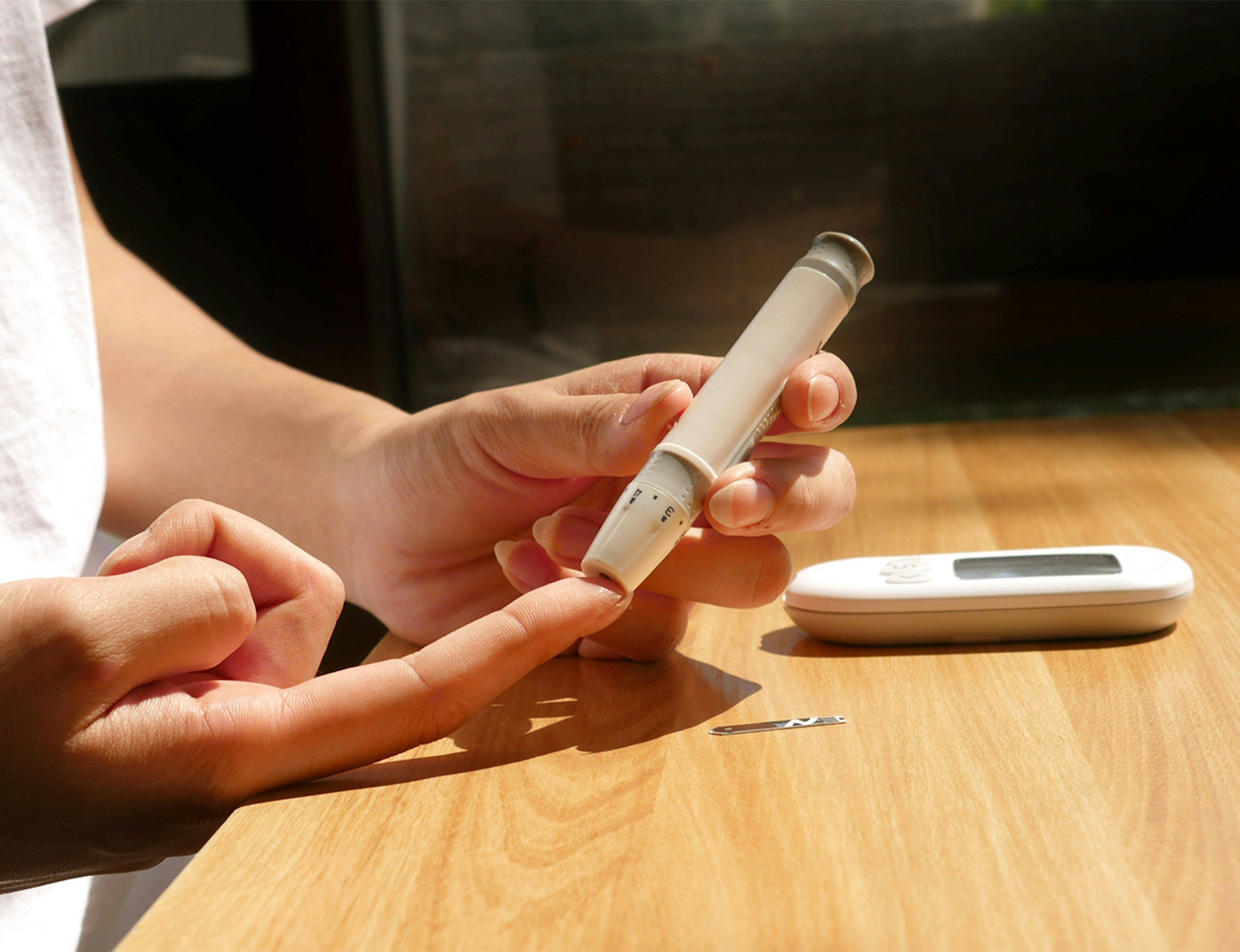
Type 2 diabetes

How insulin misfolds, and how misfolded insulin disrupts the body's response to it. Better treatments for diabetes matter most where specialty care is far away, as it is across much of rural Montana.
Brenda Canine, PhD
Macular degeneration
Whether changing how retinal cells release exosomes, tiny packages cells use to pass proteins to each other, can protect vision in age-related macular degeneration. It is a disease of aging, and Montana has one of the oldest populations in the country.
Mikael Klingeborn, PhD

Parkinson's disease

The role of the protein superoxide dismutase 1 (SOD1) in Parkinson's disease, and whether misfolded SOD1 can serve as a marker of the disease. Simpler, earlier tests matter most for patients who live far from a specialist.
Moses Leavens, PhD
Chronic wasting disease
A fatal prion disease of deer, elk, and other cervids, studied in mouse models to learn how it spreads and whether it can cross species. Montana's hunters, ranchers, and wildlife managers live with this disease, and the lab works with the state to map the genetics behind it in Montana's deer and elk.
Andrea Grindeland, DVM
Pilot projects
Schizophrenia
How immune signals in the brain disrupt the connections between nerve cells, studied in a mouse model. Serious mental illness weighs on rural communities, where psychiatric care is hard to reach.
Giuseppe P. Cortese, PhD
Completed June 2026
Influenza and bacterial pneumonia
How flu changes the lung so that a common bacterium, Staphylococcus aureus, can cause severe pneumonia. The risk grows with age, and Montana has one of the oldest populations in the country.
Timothy R. Borgogna, PhD
2026–27 call for proposals
Each new pilot is a path to a full research project. The 2026–27 call for pilot proposals is open, with applications due December 15, 2026.
Five research themes, one team
Beyond its funded projects, the Center draws on the wider research community at the Weissman Hood Institute (WHIT). Institute investigators, including affiliate faculty, work across five research themes, and the Center’s pilot program and cores are open to all of them. The themes describe that wider community; they are not a list of funded Center projects.
Neurodegeneration, neurology, and aging. Alzheimer's disease, Parkinson's disease, prion diseases, and schizophrenia.
Infectious disease. Chronic wasting disease and bacterial infection of the lung.
Metabolic disease. Misfolded proteins in type 2 diabetes.
Women's health and epidemiology. Reproductive aging and early human development.
Pediatric behavioral health (emerging). Anxiety and trauma in rural children and families.

A pipeline with room to grow
Pilot awards test new ideas from early-stage and new investigators. The strongest grow into research projects, and each research project leader works toward independent NIH funding.
5
Research projects
Funded to date: four active, one graduated. Each led by an early-stage or new investigator.
2
Pilot projects funded
Awards of up to one year that generate the data behind a larger grant application.
2–3
Pilots expected
Awards from the 2026–27 call are to start by June 1, 2027.
1
Research core
The GEMMA Core supports every project with mouse models, behavior testing, and imaging.
The people behind the research
Staff paid by the award in its third year, not counting project leaders, and the medical students who do research in Institute labs.
6
Project staff
Research assistants, technicians, and a staff scientist across the four research projects.
4
GEMMA Core staff
Research assistants and technicians who run the core's services.
5
Program staff
The Administrative Core team that runs the Center day to day.
~80
Medical students
Touro medical students doing research with Institute faculty in 2026–27 (estimate).
CIB-RHR is supported by the National Institute of General Medical Sciences of the National Institutes of Health under grant number P20GM152335. A total of $2,699,138 in fiscal year 2026, or 100 percent of the program, is financed with federal funds. The content is solely the responsibility of the authors and does not necessarily represent the official views of the National Institutes of Health.