
CIB-RHR | NIH COBRE | P20GM152335
Overview Research People Cores Pilot Program Career Development Impact Publications

What the Center has built so far
Three years of NIH support, measured in people, partnerships, and research.
Figures as of November 2026.
49
Collaborating institutions, cumulative since 2024
2
Pilot projects funded
1
Project leader graduated to independent NIH funding
15
Research and core staff paid by the award in its third year
~80
Touro medical students doing research with Institute faculty in 2026–27 (estimate)
16
Big Sky Medical Science Seminars in 2026. A regular seminar averages about 22 attendees; the community lecture drew about 200.
8
Summer research interns in 2026
The investigator pipeline
Pilot project leaders
Giuseppe P. Cortese, PhD (completed 2026)
Timothy R. Borgogna, PhD
Research project leaders
Brenda Canine, PhD
Mikael Klingeborn, PhD
Moses Leavens, PhD
Andrea Grindeland, DVM
Graduated to independent funding
Tiffany Hensley-McBain, PhD
Independent NIH R01 award in the Center’s first year
SHARED INFRASTRUCTURE
A research core that serves the whole Center
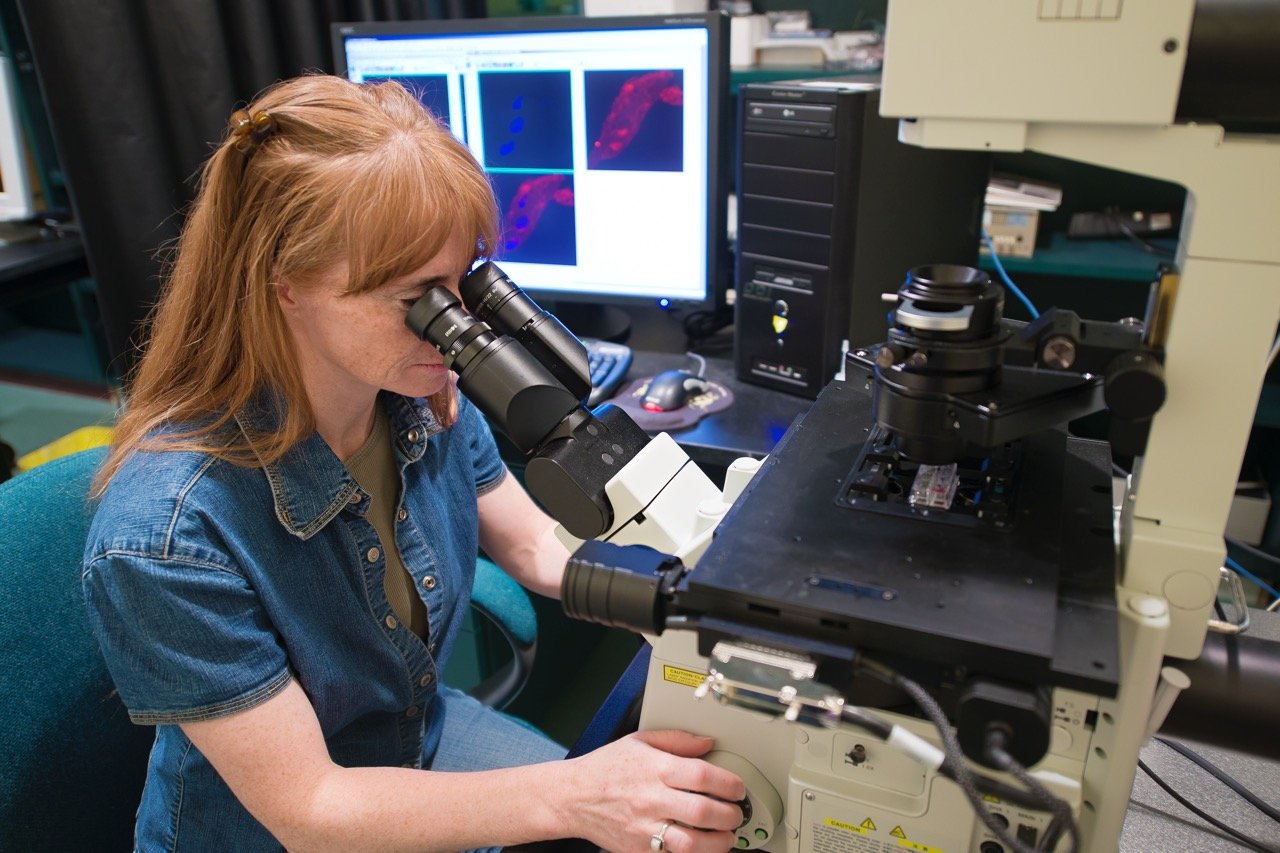
The GEMMA Core (Gene Editing and Mouse Models Assessment) supports every research project and the pilot program with mouse models, behavior testing, and imaging. It also works with investigators at other institutions.
Built to last
The Center is building four sources of support so its research continues beyond the NIH award.
Research grants
Independent NIH and other federal awards to Center investigators.
Industry partnerships
Research agreements and contract work with companies.
Philanthropy
Gifts from foundations and donors who support rural health research.
Institutional support
Salary support for investigators from the Institute and its partners.
CIB-RHR is supported by the National Institute of General Medical Sciences of the National Institutes of Health under grant number P20GM152335. A total of $2,699,138 in fiscal year 2026, or 100 percent of the program, is financed with federal funds. The content is solely the responsibility of the authors and does not necessarily represent the official views of the National Institutes of Health.